
Reviewed · TRAIN EXPERIENCES
From Nice: Historic Train Ride & Alps Villages
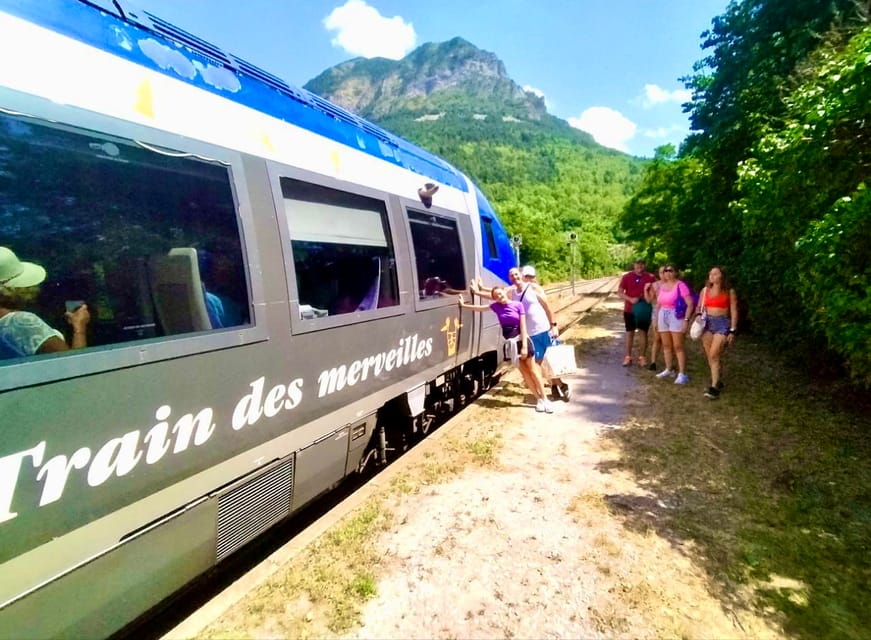
The best part of this day is the historic train ride from Nice into the Alps, where canyons, viaducts, tunnels, and river valleys unfold outside the window. You then leave the busy Riviera behind for fortified villages, Baroque art, perched castles, and old stone lanes that see far fewer visitors.
I like the way the tour combines real village life and local food with strong historical context. I also like the choice between a modest walk and a serious hike through chestnut woods, caves, and huge sandstone blocks. The catch is simple: this is a long, active day, with an early start, steep paths, and as much as 10 kilometers of walking.
In This Review
- At a glance
- Why this train trip reaches beyond the Riviera
- The first village: fortifications, Baroque art, and a castle above the valley
- Lunch in a mountain village
- The second village: sandstone lanes and homes built into rock
- The optional hike through chestnut woods and caves
- What the guides add to the day
- Timing, meeting point, and seasonal changes
- Is the $200 price good value?
- Who should book this Alpine day trip?
- Final verdict: book it for the train, villages, and walking
- FAQ
- Where does the tour meet in Nice?
- How long does the experience last?
- How much walking is involved?
- Is lunch included?
- What languages are available?
- Can I cancel or pay later?
At a glance
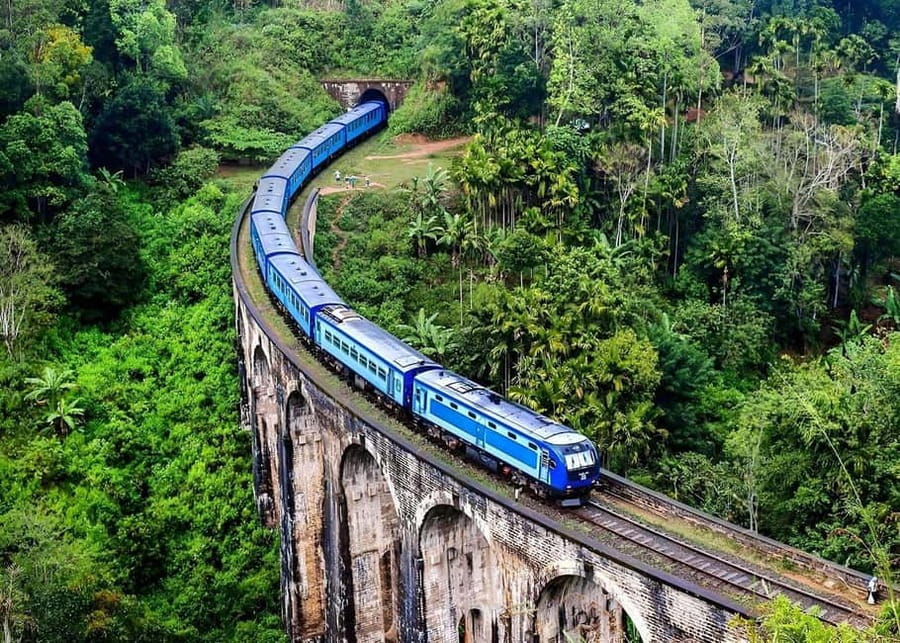
- Historic railway journey: Ride the Chemin de Fer de Provence through Alpine valleys, tunnels, viaducts, and dramatic gorges.
- Two very different villages: See one fortified medieval settlement with Baroque treasures, then explore a maze of stone lanes and troglodyte homes.
- Local lunch included: Depending on your booking choice, eat at a village restaurant or enjoy a picnic with regional food.
- Flexible walking: Choose shorter village walks or a longer route through old chestnut woods, caves, and sandstone formations.
- Small-group guiding: Groups are limited to 15, with commentary in English, French, Italian, or Spanish.
- A full day from Nice: Meet at 7:30 a.m. and normally return around 8:57 p.m., with a shorter option on selected dates.
Why this train trip reaches beyond the Riviera
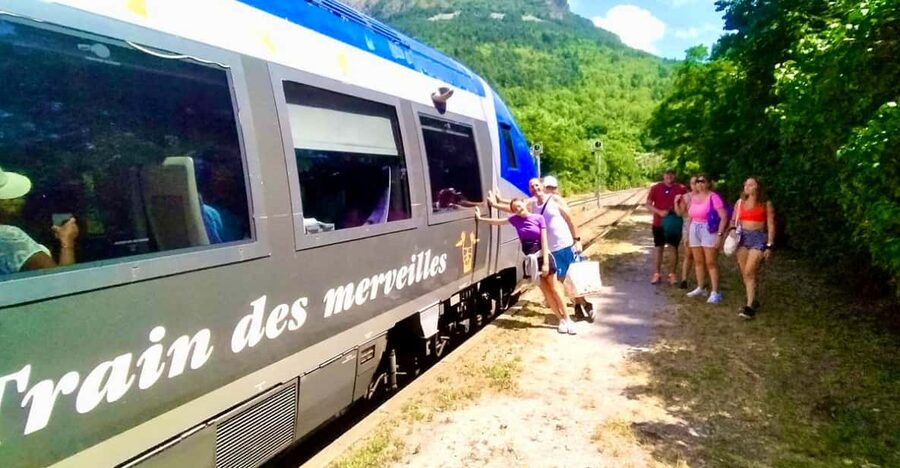
Nice is famous for its sea, markets, and grand hotel facades. This excursion shows you a very different side of southern France. The train heads inland along the region’s largest and longest Alpine river, passing through scenery that changes from Mediterranean to mountain country.
The railway is not just a way to get from one stop to another. It is part of the experience. The route passes through tunnels and across high viaducts, and your guide points out notable sites and explains the valley as you go. Sit near a window if you can, and listen for the guide’s signal before an especially good view appears.
The train ride lasts about an hour and a half at the start, followed by another shorter rail segment of roughly 30 minutes later in the day. That makes the transport feel like sightseeing rather than dead time. It also gives your legs a break between walks.
The historic railway has an old-fashioned character, but you should not expect a luxury train or a polished museum ride. Its appeal is the route, the slower pace, and the chance to reach villages that are awkward to visit without a car. For many people, the train is one of the day’s main attractions.
A few more Nice trips worth weighing up
- Guided Tour in Cannes by a Screenwriter: History, Glamour & Cinema
★ 4.5 · 55 reviews - Nice: Theatrical History Tour – Secrets of the Castle Hill
★ 5.0 · 21 reviews - Nice: Exclusive Private Guided Tour of Historic Center
★ 4.5 · 13 reviews
The first village: fortifications, Baroque art, and a castle above the valley
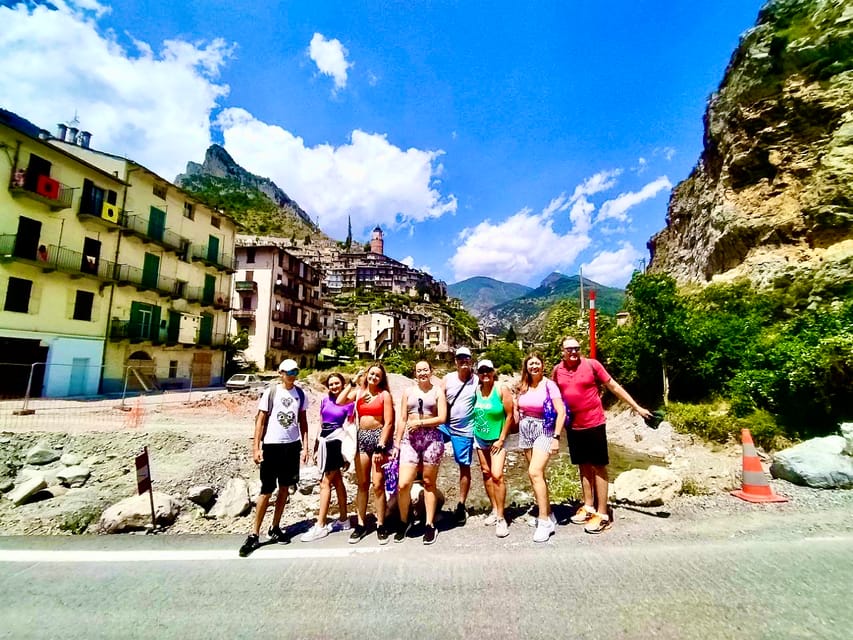
The first village is selected for its medieval character and French heritage status. Depending on the day’s route, places such as La Brigue, Tende, or Saorge may feature in the program. The precise combination can vary, so check the current schedule when booking.
Expect old defensive walls, gates, drawbridges, narrow lanes, and a church or cathedral filled with Baroque detail. This is the kind of place where the story is written into the stone. The village was not built for cars, flat sidewalks, or quick sightseeing. It was built for defense, trade, worship, and mountain life.
A guided visit makes a real difference here. Your guide can explain why a settlement was placed high above the valley, how the fortifications worked, and what the religious buildings reveal about local power and wealth. The guides also add context about Provence, Nice, and the changing borders of the region.
The climb toward the citadel or castle takes about 30 to 45 minutes through the village gates. The total height difference is around 200 meters, or roughly 600 feet. It is not technical hiking, but the uphill route and steps demand steady legs and good shoes.
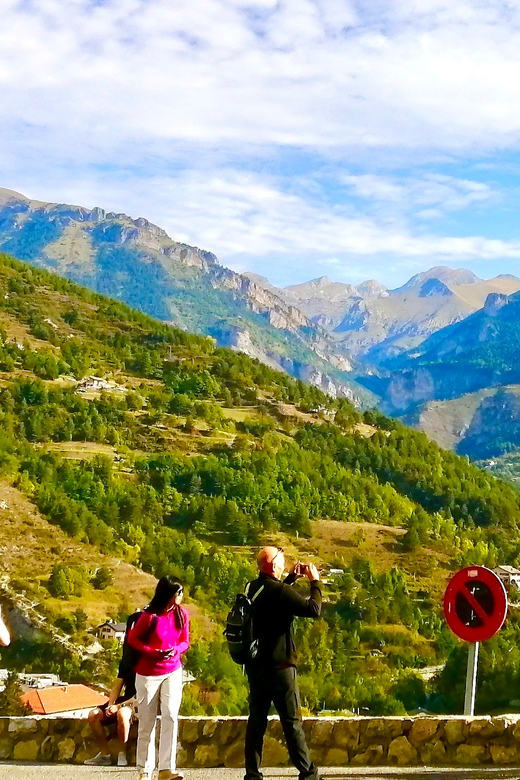
At the top, you get wider views over the valley and a closer look at a former royal stronghold. The site helps explain why these villages mattered. From a modern viewpoint, the climb may seem like a lot of work for old walls, but the position itself is the point. You see the route, river, and surrounding peaks from the same defensive height that once made the castle valuable.
Some schedules provide an alternative for people who cannot manage the full climb. One past arrangement used a shuttle bus so part of the group could meet at the upper site. Do not assume this will always be available, though. If stairs and steep slopes are a serious problem, this tour is not a good fit.
Lunch in a mountain village
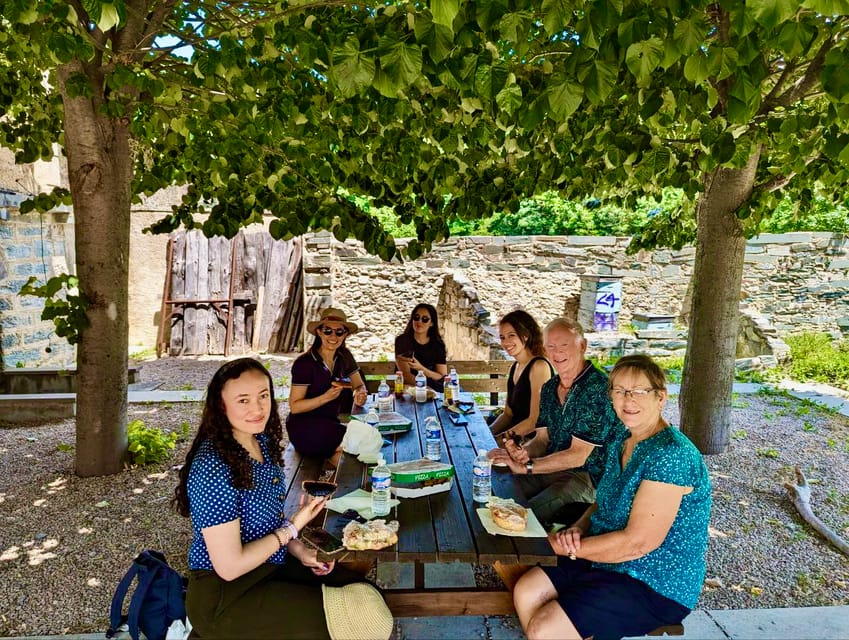
Lunch is usually taken at a typical local restaurant and lasts about 45 minutes. The meal may include regional dishes or familiar classics, depending on the restaurant and the option selected. Several guides have also handled dietary needs when informed ahead of time, but you should give clear details before the day begins.
A picnic option is also available. One reported picnic included a large bread roll filled with Niçoise salad. Vegetarian food was available in that case, but there was no broad range of alternatives, so do not expect a fully customized picnic unless arrangements are confirmed in advance.
The restaurant option usually offers better variety and a more relaxed sense of place. One practical detail is that a restaurant meal may cost an additional 15 euros on some departures. Confirm the exact lunch choice and supplement when booking, since the food arrangement can vary.
I see lunch as part of the cultural value of the trip, not just a way to refuel. Eating in a small mountain village gives you a pause from the schedule and a chance to try food outside Nice’s usual tourist circuit. It is also a useful moment to rest before the second village and any optional hike.
The second village: sandstone lanes and homes built into rock
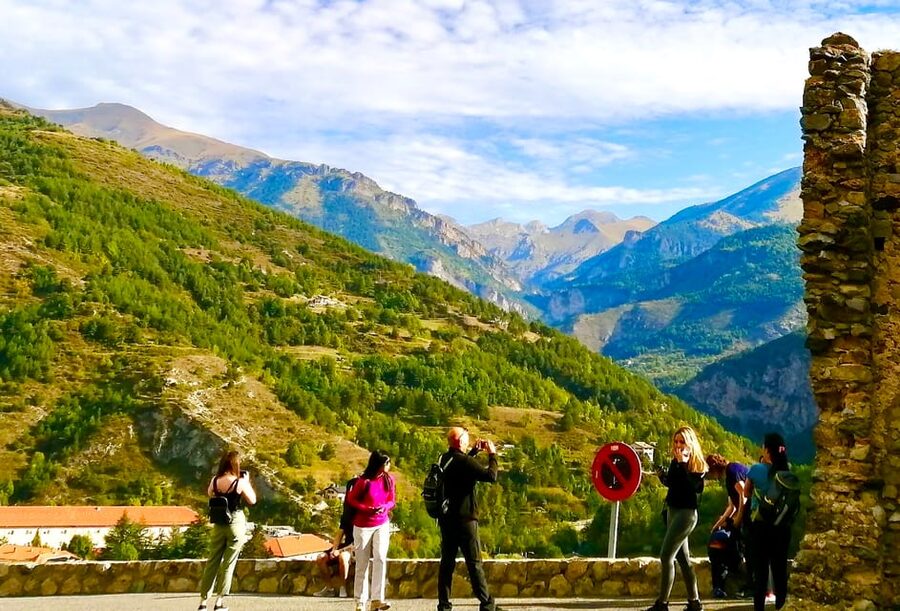
The second stop has a different feel. Instead of a grand fortified center, you find tiny lanes twisting between sandstone blocks, old homes partly built into the rock, and a quieter village atmosphere. Annot is associated with this style of scenery and is included on some routes, while other departures may visit a different Alpine village.
The guided walk takes you through a compact maze where the geology is as important as the architecture. Sandstone shapes the streets, walls, homes, and nearby paths. You might find small details that are easy to miss on your own, including unusual stonework, old passageways, and the relationship between the buildings and the rock beneath them.
This is a strong stop for people who enjoy places that feel lived-in rather than staged for sightseeing. The village is not presented as a row of postcard viewpoints. You get time to walk, pause, take photographs, and notice ordinary local details.
If you prefer a slower afternoon, you can stay near the village. There may be time for local tastings, wine, pastries, or an early dinner at your own expense. The group may also play pétanque, sometimes with locals, which adds a welcome touch of everyday French life. This part of the day is less about checking off monuments and more about enjoying the setting at village speed.
More train trips along the coast:
- Train Exp. through the Alps (Royal Baroque Route from Nice)
★ 5.0 · 682 reviews - Nice: A gentle ride on a little electric train with a panoramic view
★ 4.3 · 156 reviews - Antibes: 2-Way Little Train of Antibes Tour to Juan-les-Pins
★ 4.2 · 140 reviews - Tour with the Mountain Train, Trek to Mystic Forest and Castle
★ 5.0 · 101 reviews
The optional hike through chestnut woods and caves
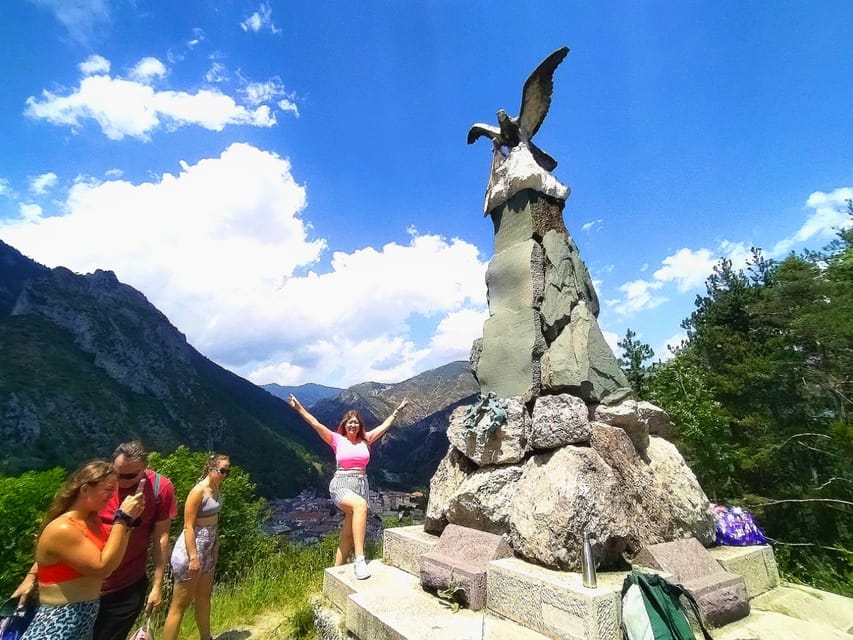
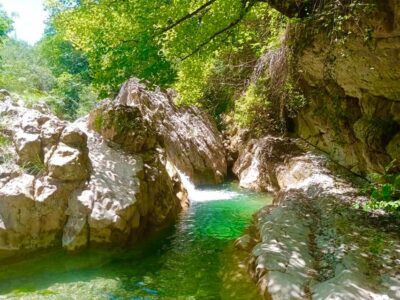
The longer walking option is the day’s most active feature. The route can reach between 5 and 12 kilometers, depending on the version selected. It may lead through an old chestnut forest, mysterious caves, and large sandstone formations.
The wooded paths and rock formations give this walk a wild, unusual quality. It is not a standard promenade with a smooth surface and frequent benches. You should be ready for uneven ground, slopes, and a sustained amount of walking. Comfortable shoes are essential, and ordinary city trainers may not feel sufficient on a longer route.
The geology adds another layer to the hike. The giant sandstone blocks are interesting even if you are not a specialist, and the area appeals to hikers, climbers, mushroom pickers, and people who enjoy looking closely at rock formations. The route is especially appealing if you want nature rather than another church interior.
You do not have to take the longest hike. Shorter walks around the village are offered for people who want scenery without a demanding route. Still, the entire excursion involves between about 4 and 10 kilometers of walking on many versions, so the shorter choice does not turn it into a no-effort outing.
A refreshing river swim may be possible during hot summer weather if you bring a swimsuit and towel and tell the operator ahead of time. This depends on the route and conditions, so treat it as a possible extra, not a guaranteed stop.
What the guides add to the day
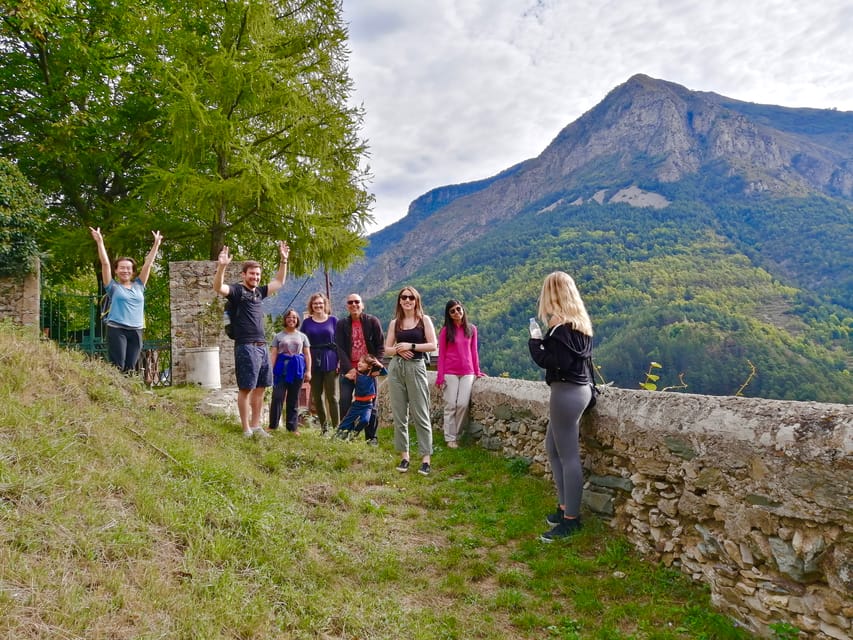
The guides are a major part of the experience. Cyril is often singled out for his warmth, humor, historical storytelling, and ability to keep track of individual needs. Carmela is also praised for clear timing, personal attention, and making the day enjoyable without losing control of the schedule.
William and Alex have led departures as well, with strong commentary about Nice, the Alpine valleys, local customs, churches, monasteries, and village history. Other guides may lead your departure, but the tour is designed around live explanation on the train, in the villages, and inside monuments.
This matters because the places are not always easy to understand from their appearance alone. A fortified gate can look like a picturesque photo stop, but a good guide explains its purpose. A Baroque church can seem richly decorated, but the guide connects its art to local families, religious life, and the region’s past.
The small group limit of 15 helps. You can ask questions without shouting across a bus, and the guide can adjust the pace within reason. Solo visitors have also been made to feel part of the group, while families can usually choose a less strenuous version of the walking.
Guides have also dealt calmly with disruptions. On one departure, a return train was unexpectedly canceled, and the group reached Nice about two hours late after a bus and another train were arranged. That is not a reason to expect delays, but it is a reminder to avoid scheduling an important evening flight or fixed dinner immediately after this excursion.
Timing, meeting point, and seasonal changes
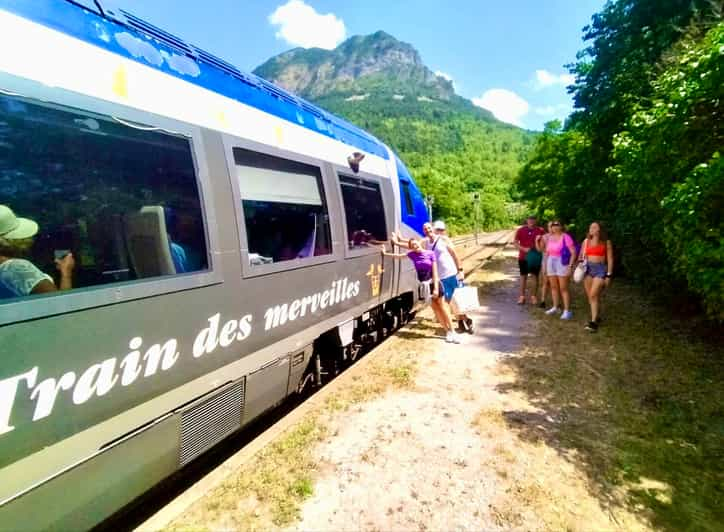
You meet the guide at 7:30 a.m. at the large blue gate of the Gare des Chemins de Fer de Provence. The station is about a two-minute walk from the Libération stop on tram line 1. Look for the blue sign reading Train Experience through the Alps.
The normal return is around 8:57 p.m., making this an 11-hour commitment. Breakfast is not included, so eat before meeting the guide or bring something for the early train. The day has several breaks, but you should still carry water and a small snack if you need regular food.
There is a shorter return around 4 p.m. on some arrangements, but that version visits only one village. In winter, from November 6 through February 28, the schedule changes. Tuesday, Wednesday, Thursday, and Saturday departures visit one village and include hiking, returning to Nice around 4 p.m. Sunday departures visit two villages and return around 6:15 p.m.
Winter light and weather can change the feel of the journey. Summer offers longer days and the possible river swim, while cooler months may make walking more comfortable. Mountain weather can shift, so dress in layers and check the forecast before leaving Nice.
Is the $200 price good value?
At $200 per person, this is not a cheap way to spend a day in the region. It is a fair price if you value guided access, rail transport, two village visits, lunch, and the convenience of having the day organized from Nice.
A self-guided version would require researching train times, working out local connections, planning the walks, arranging lunch, and keeping track of return departures. The train tickets and professional guide are included, along with either a picnic or restaurant meal depending on the option. Commentary is provided throughout the day, not just during the village walks.
The value improves if you want history explained. Without a guide, you could see beautiful stone streets and churches, but you might miss why the villages were built where they are and how the fortifications shaped daily life. The guide also handles group timing and helps with practical details such as lunch and train changes.
The price is less appealing if you plan to skip most walking or if you only want a scenic train ride. In that case, an easier half-day activity may suit you better. The long duration and physical demands are part of what makes this outing worthwhile, not minor details to overlook.
Who should book this Alpine day trip?
I would choose this tour if you have already enjoyed Nice’s old town and coastline and want a stronger sense of the countryside beyond the Riviera. It suits people who like medieval buildings, religious art, local food, railway journeys, and walking in unusual natural settings.
It is also a good choice for families with older children, active couples, solo visitors, and anyone who prefers a small group to a large coach. The mixture of history and nature keeps the day moving, and the optional walking lets you set your own level to some extent.
I would think twice if you have limited mobility, dislike steep paths, or need a guaranteed early return. The tour is specifically not suitable for people with mobility impairments, and the normal day can run until nearly 9 p.m.
Wear good walking shoes and weather-appropriate clothing. If you want the restaurant meal, confirm the arrangement and any dietary needs in advance. For the long hike, bring water and be honest about your fitness. The village walks are manageable for many active adults, but the climb to the citadel and the optional mountain route can be tiring.
Final verdict: book it for the train, villages, and walking
Book this experience if you want to see a side of southern France that is far removed from the Riviera’s usual circuit. The historic railway, fortified villages, Baroque interiors, local lunch, and sandstone trails create a full day with genuine variety.
The strongest reason to go is the combination. You are not simply riding a train, touring a church, or taking a hike. You move through the region slowly, with a guide who connects the scenery, architecture, food, and local life.
Skip it if you want a short, easy outing or need complete control over your return time. For an active visitor with one open day in Nice, though, this is a memorable and unusually local way to reach the Alps.
FAQ
Where does the tour meet in Nice?
Meet at the large blue gate of the Gare des Chemins de Fer de Provence, about a two-minute walk from the Libération stop on tram line 1. The guide carries a blue sign reading Train Experience through the Alps.
How long does the experience last?
The standard tour lasts about 11 hours. The meeting time is 7:30 a.m., and the usual return to Nice is around 8:57 p.m.
How much walking is involved?
The tour includes roughly 4 to 10 kilometers of walking, depending on the route and choices made. The longer hiking option can reach 12 kilometers, or about 7.5 miles.
Is lunch included?
Yes. The selected option includes either a picnic or lunch at a local restaurant. A restaurant meal may involve an additional supplement on some departures, so check the exact option when booking.
What languages are available?
Live guiding is available in French, English, Italian, and Spanish.
Can I cancel or pay later?
You can cancel up to 24 hours before the experience for a full refund. A reserve-now, pay-later option is also available.
Just added around Nice
- Cannes Large Group Shore Excursion with a Minibus 15 seater★ 5.0 · 3 reviews
- Transfer from Antibes to Nice Airport★ 5.0 · 3 reviews
- Private excursion from Villefranche in Citroën Méhari to Eze and Monaco★ 5.0 · 3 reviews
- Private Tour of Juan les Pins by Ferrari★ 4.5 · 3 reviews
- Private Tour from Saint-Tropez to the flowers city★ 5.0 · 3 reviews
- Horse riding in the vineyards of Grimaud + wine tasting★ 5.0 · 3 reviews
- 2-Hour Paddle Boarding Tour in Villefranche★ 4.9 · 3 reviews
- Private Professional Vacation Photoshoot in Nice★ 5.0 · 3 reviews
Train Experiences, compared.
Train Exp. through the Alps (Royal Baroque Route from Nice)
Read our review →
A gentle ride on a little electric train with a panoramic view
Read our review →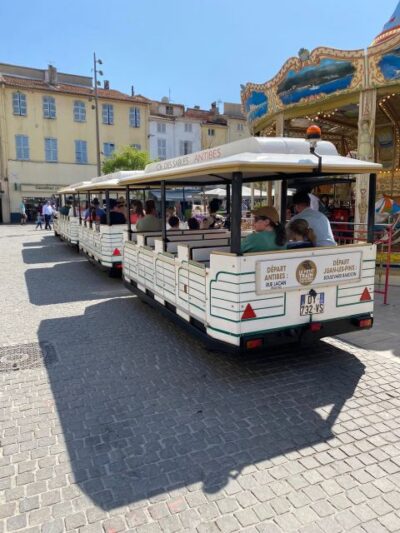
2-Way Little Train of Antibes Tour to Juan-les-Pins
Read our review →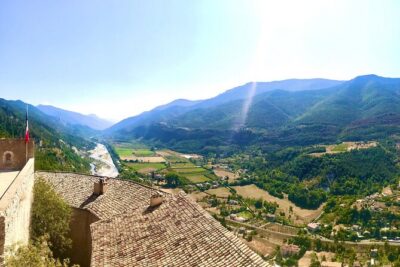
Tour with the Mountain Train, Trek to Mystic Forest and Castle
Read our review →
Mountain Train Experience: Hike & Mystic Forest (From Nice)
Read our review →
French Riviera Colorado & Var West by Train (from Cannes/Nice)
Read our review →Browse the lists this tour appears in