
Reviewed · TRAIN EXPERIENCES
Train Exp. through the Alps (Royal Baroque Route from Nice)
The most memorable part of this full-day Alpine outing is the train itself. From Nice, the line climbs through the maritime Alps along bridges, tunnels, gorges, and three mountain valleys. You get a close look at rural southern France that is hard to reach without a car.
I like the mix of scenery and old villages, and I like having a guide to explain the border wars, Italian influence, churches, and local customs. Guides such as Cyril and Carmela are praised for their humor, clear instructions, and personal care. The main catch is simple: this is more strenuous than a leisurely village tour, and the exact stops can change with weather, train schedules, bridge repairs, or the group’s walking ability.
In This Review
- Key points to know before you book
- Why this train ride is worth a day from Nice
- Meeting at Nice-Ville before the morning train
- The Baroque Route through the maritime Alps
- Saorge, a medieval village above the Roya Valley
- The Saorge monastery and its peaceful setting
- Tende, La Brigue, and the Italian side of the story
- Lunch in a mountain village
- The afternoon hike and the real fitness question
- Why the itinerary may change
- Guides, group rhythm, and what makes the day work
- Who should book this Alpine train experience
- Final decision: book it if you want the active version of rural France
- FAQ
- Where does the tour start?
- What time should I arrive?
- How much walking is involved?
- Is lunch included?
- Are the villages always the same?
- Can I cancel for a refund?
Key points to know before you book
- The train follows a historic mountain railway: Expect a regular regional train, not a private sightseeing carriage, with views of tunnels, bridges, canyons, and high valleys.
- The day includes serious uphill walking: The full route covers roughly 9 miles, or 15 kilometers, with steep streets, stairs, and optional climbs to castles or citadels.
- Saorge is the cultural highlight: Its medieval streets, cathedral, monastery, gardens, and mountain views make this one of the most rewarding stops.
- Lunch is part of the value: You receive a picnic of local food or a meal at a traditional restaurant, depending on the day’s arrangement.
- The itinerary is flexible: Tende, La Brigue, Saorge, Annot, Entrevaux, Puget-Théniers, and Touët-sur-Var may appear on different departures.
- Guides make a real difference: Cyril, Carmela, and Samuel have been praised for local stories, good group care, and adapting the day when plans change.
Why this train ride is worth a day from Nice
Nice is an easy base for the Riviera, but it can keep you focused on the sea, cafés, and city museums. This trip takes you inland to a very different France, one shaped by steep valleys, old border crossings, mountain farming, and villages with strong Italian roots.
The railway is the star. It was built through difficult terrain in the early twentieth century, and the ride gives you a moving lesson in French engineering. You pass through surprising tunnels and over bridges while the scenery shifts from the coast’s mild atmosphere to sharper mountain country.
The train is a public regional service, so set your expectations correctly. It is not a private luxury train with reserved sightseeing windows or a narrated carriage. You ride a regular modern train that serves local communities. That is part of its charm, but it also means there may be other passengers and normal railway stops along the way.
The listed price is about $204.37 per person. That is not cheap for a day trip, but the cost covers round-trip rail travel, a guide, village touring, a substantial lunch or picnic arrangement, and access to included sights such as the Saorge monastery. If you tried to arrange the rail connections, lunch, local transport, and village walks yourself, you would save some money but take on the hardest planning work.
The strongest value comes from the guide. This is not simply transportation to a mountain town. A good guide turns an otherwise scenic train ride into a readable story about shifting borders, medieval defenses, religious buildings, and the relationship between France and Italy.
More train trips along the coast:
- From Nice: Historic Train Ride & Alps Villages
★ 4.8 · 312 reviews - Nice: A gentle ride on a little electric train with a panoramic view
★ 4.3 · 156 reviews - Antibes: 2-Way Little Train of Antibes Tour to Juan-les-Pins
★ 4.2 · 140 reviews
Meeting at Nice-Ville before the morning train
The meeting point is in front of Gare de Nice Ville, at the Boulangerie Paul terrace beside the main entrance at 12 Avenue Thiers. The location is about a two-minute walk from the Gare Thiers stop on tram line 1.
The guide waits with a blue Train Experience through the Alps sign. The practical warning is important: arrive early. The final departure information gives an 8:30 a.m. train, while the meeting instructions ask you to be there around 7:55 a.m. and list an 8 a.m. start. Treat the earlier time as the safe choice. There is no hotel pickup, and the train will not wait for late arrivals.
A guide may be Cyril, Carmela, Samuel, or another member of the multilingual team. Cyril is known for mixing local history with French humor, while Carmela is praised for detailed explanations, patient pacing, and helping with practical matters such as translating a lunch menu. Samuel has also been praised for his local knowledge and care with the group.
The maximum group size is 30 people. That is large enough to make the trip social, but small enough for a guide to keep the day organized. Do not expect a private tour unless your booking specifically says so.
The Baroque Route through the maritime Alps
Once the train leaves Nice, the ride becomes the calmest portion of the day. You can sit back and watch the Mediterranean foothills give way to steep valleys and mountain villages.
The route passes through three main valleys and climbs toward the French Alps and the Italian border region of Piedmont. The engineering is part of the attraction. Bridges appear in places that seem almost impossible, and the train slips through tunnels and narrow rock corridors.
This is a good time to listen to the guide rather than treat the train only as a photo platform. The route carries stories of military borders, old kingdoms, trade routes, and villages that once belonged to Italy or had close ties across the border. The scenery changes quickly, so keep your camera ready, but also leave time to simply watch the valley unfold.
The train portion is scenic, not luxurious. If you imagined snow-covered peaks rising around the carriage, adjust that picture. Most stops are in Alpine villages at roughly 800 to 900 meters, and snow is most likely in winter, especially from December through February. In warmer months, the appeal is the old stone architecture, forests, gorges, and views rather than high alpine summits.
Saorge, a medieval village above the Roya Valley
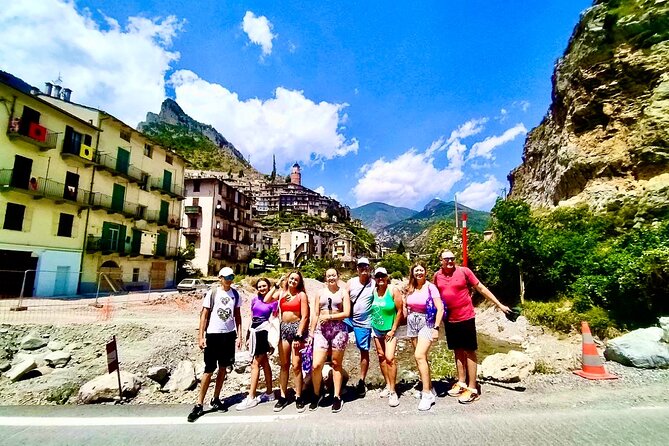
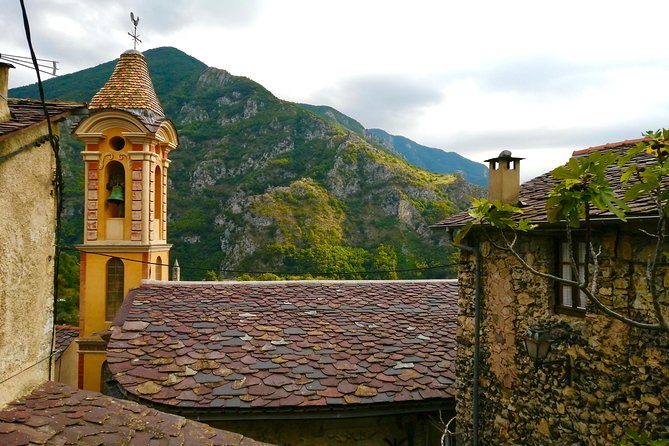
Saorge is among the most striking places named in the route. The village climbs a steep mountainside, with narrow streets, stone buildings, old religious sites, and wide views into the surrounding valleys.
Its position once made it a natural defensive stronghold. The guide uses the village to explain the history of the border between France and Italy, including the area’s military importance and changing political identity.
The climb toward the monastery is about 150 meters uphill and can feel demanding. Expect stairs and steep streets rather than a flat promenade. You can still appreciate Saorge without completing every climb, but the best viewpoints and monuments require effort.
The cathedral is described as a major highlight, and the village itself rewards slow walking. Look for details in the stonework, small lanes, and sudden openings toward the mountains. This is not a polished resort town built for mass tourism. Its quieter feel is one reason the visit feels genuine.
More of Nice:
- From Nice: Eze, Monaco, & Monte-Carlo Half-Day Trip
★ 4.5 · 5,642 reviews - From Nice: French Riviera in One Day
★ 4.5 · 5,215 reviews - Nice: 1-Hour Sightseeing Cruise to Villefranche Bay
★ 4.6 · 2,747 reviews - Nice: 1 or 2-Day Hop-On Hop-Off Bus Tour
★ 4.3 · 2,663 reviews
The Saorge monastery and its peaceful setting
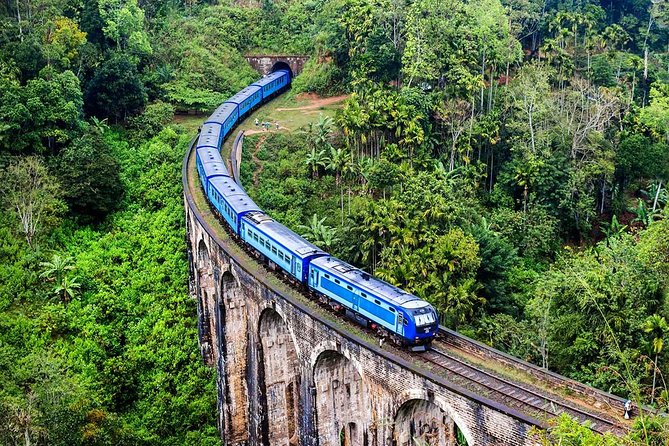
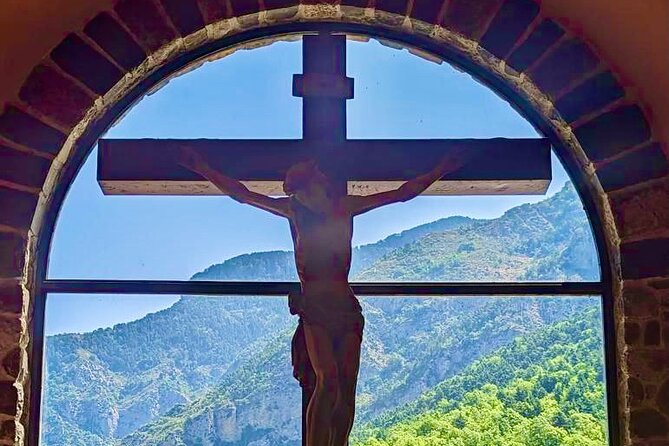
The Monastery of Saorge is a Baroque treasure and one of the day’s most distinctive stops. Its courtyard, church, rooms, gardens, and quiet setting give the visit a change of pace after the uphill village walk.
The building is valued not only for its decoration but also for its position. Panoramic views stretch from the monastery toward the surrounding valleys, and the gardens offer a peaceful place to slow down.
You receive about 45 minutes here. That is enough to appreciate the church and main spaces, though not enough for an unhurried study of every detail. If religious art and historic buildings interest you, pay close attention to the guide’s explanation. Without context, the monastery might seem like a quick photo stop. With context, it becomes a useful window into the role of religious orders in remote mountain communities.
Tende, La Brigue, and the Italian side of the story
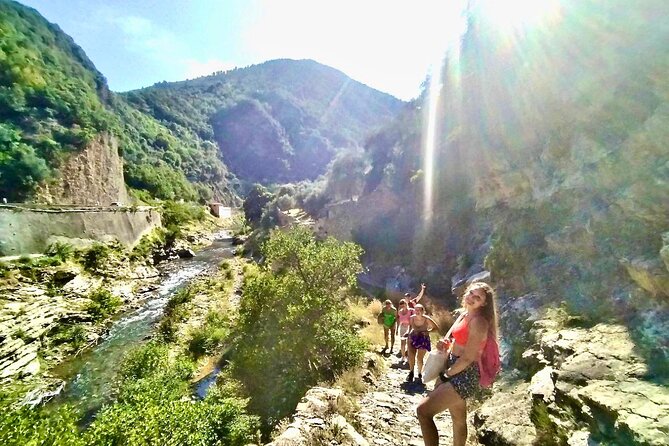
Tende is another important village on the route. Its medieval character, castle ruins, cathedral, and strong Italian heritage reflect the complicated past of this border region. Tende only became French relatively recently, and that identity still shows in its buildings and local culture.
The planned visit can last several hours, including lunch and walking. You may climb toward ruins and panoramic points, so comfortable shoes are essential. The village has a more rugged feel than a tidy postcard town, and the ruins help you picture how the settlement was defended.
La Brigue may also appear, depending on the day and season. It is another mountain village with old streets and religious monuments. The operator can alter the route to include a different village, chapel, museum, or nature walk, especially outside the high season.
A possible museum visit covers Bronze Age engraved stones. It is not guaranteed, but it adds another layer to the area’s story, showing that people were using these valleys long before the medieval towns and modern railway appeared.
Lunch in a mountain village
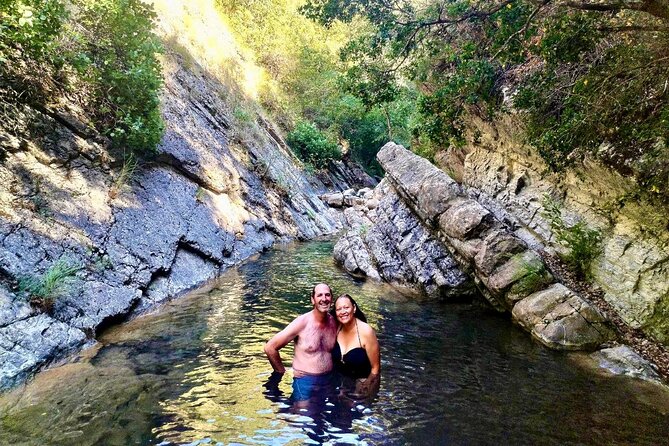
Lunch is one of the tour’s strongest practical benefits. The meal may be a picnic of local food or a generous meal in a traditional restaurant. Several arrangements have included multiple selections, local wine, and enough food that nobody leaves hungry.
The restaurant setting helps you experience the region beyond its monuments. Mountain cooking is often hearty and unpretentious, and a long meal gives the group time to rest after the morning’s train ride and uphill walking.
Tell the operator about dietary needs when you book. The guide can help explain the menu, but special requirements should not be left until the day itself.
Lunch also affects the rhythm of the excursion. This is not a day of grabbing a sandwich and rushing between sights. The meal is part of the social experience, and it gives you a proper pause before the afternoon walk.
The afternoon hike and the real fitness question
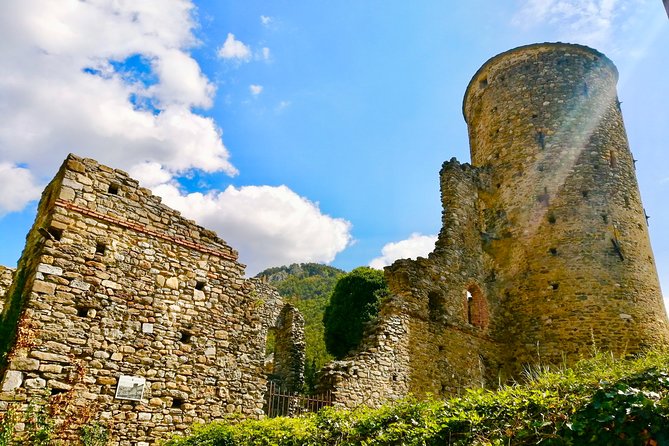
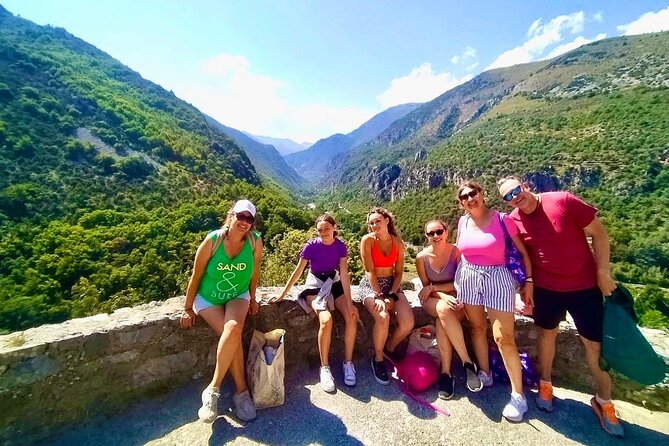
The tour description calls for moderate fitness, but I would read that as good walking ability with comfort on steep ground. The full day can involve about 15 kilometers on foot, along with stairs and sustained uphill sections.
The route may include a climb to a castle, citadel, monastery, or high viewpoint. One walk to a citadel has been described as challenging even for someone who walks several miles most days. That is useful guidance: regular flat walking does not always prepare you for steep medieval streets.
You do not have to join every hike. A guide may offer a shorter village walk or a place to wait while the stronger walkers continue. But this is not always ideal in the off-season. Shops and cafés in small mountain villages may close during the afternoon, leaving you with limited options beyond a bar, bakery, grocery, or simple local activity.
If you have a crutch, heavy luggage, major mobility limits, or difficulty with stairs, contact the operator before booking and explain your needs clearly. The guide can sometimes adjust the route, but the basic character of the day remains active.
Wear shoes with good grip. Bring layers, water, sun protection, and rain gear. The tour runs in most weather, except when it rains all day. Mountain temperatures can feel much cooler than Nice, and the guide sends a message the day before with weather and clothing advice.
Why the itinerary may change
The route is flexible by design, but the advertising can make it sound more fixed than it really is. On one day, the group may visit Saorge and Tende. On another, it may go to Annot and Entrevaux, or Puget-Théniers and Touët-sur-Var.
Weather is one reason. Train schedules, bridge closures, seasonal opening hours, group fitness, and the desire to return to Nice at a reasonable time can also affect the plan. A bridge closure once forced a last-minute change, while other departures shortened the route when a longer hike was not practical.
This flexibility can rescue a difficult day. It can also disappoint you if you have your heart set on one named village. Ask for the expected route shortly before departure, and read the final message from the guide carefully.
The return may be around 6:30 or 7 p.m. on a shorter plan, but a full hiking version can run until roughly 9 or 9:30 p.m. One altered schedule even involved a long wait for the return train. Plan dinner in Nice loosely rather than booking a tight evening reservation.
Guides, group rhythm, and what makes the day work
The guides are the main reason this experience earns such strong marks. Cyril is praised for humor, historical detail, and keeping the group engaged. Carmela is known for clear directions, patience, and building a warm connection with local people. Samuel has also received praise for explaining the area and looking after the group.
The guide’s role matters because the day has many moving parts. You must catch the train, follow village paths, understand changes, reach lunch on time, and return to the station. A guide also helps you notice details you would likely miss, from border fortifications to a church musician or a small local museum.
A group of up to 30 can move at different speeds. The guide may need to wait, shorten a walk, or offer alternatives. If you want a completely independent pace, this is not the right format. If you like having the practical work handled while you focus on the scenery, it is a good fit.
Who should book this Alpine train experience
I would choose this tour if you want an active day outside Nice and enjoy villages that are quieter and less polished than major French sights. It is especially suitable for people who like local history, old churches, mountain railways, and walking with a purpose.
It also suits a first visit to the French hinterland. You do not need to rent a car or work out several rail connections. The guide provides the structure, and lunch removes another planning task.
I would hesitate if you want snow-capped peaks, a private train, a relaxed café day, or guaranteed stops at a precise set of villages. I would also avoid it if steep stairs and long uphill walks are a serious problem.
The 4.8 rating from 682 reviews and 94 percent recommendation rate fit the experience’s strengths: striking scenery, excellent guides, generous food, and a memorable change of pace from the Riviera. The lower marks tend to focus on unclear expectations about hiking, itinerary changes, closed village businesses, or long return waits. Those are not minor details, so take them seriously.
Final decision: book it if you want the active version of rural France
Book this trip if you see the train ride as the beginning of the day, not the whole event. The real reward comes from combining the railway with medieval villages, a Baroque monastery, local food, and a walk into the hills.
Before paying, confirm the likely route, ask about the expected return time, and be honest about your fitness. Arrive early at Nice-Ville, pack for changing weather, and wear proper walking shoes. With those expectations in place, this is a strong-value way to reach the French Alps without a car and one of the more memorable day trips from Nice.
FAQ
Where does the tour start?
It starts at Gare de Nice Ville, at the Boulangerie Paul terrace beside the main entrance at 12 Avenue Thiers. The meeting point is about a two-minute walk from the Gare Thiers tram stop on line 1.
What time should I arrive?
The final departure information lists an 8:30 a.m. train, while the meeting instructions ask you to meet around 7:55 a.m. or 8 a.m. Arrive by the earlier time because the train does not wait for late arrivals.
How much walking is involved?
The full active version covers roughly 9 miles, or 15 kilometers, on foot. It includes steep village streets, stairs, and uphill climbs, including a possible 150-meter climb to the Saorge monastery.
Is lunch included?
Yes. The day includes either a picnic of local food or lunch at a traditional restaurant, depending on the itinerary. Tell the operator about dietary requirements when booking.
Are the villages always the same?
No. Stops can include Saorge, Tende, La Brigue, Annot, Entrevaux, Puget-Théniers, or Touët-sur-Var. Weather, season, train conditions, bridge closures, and the group’s walking ability can lead to itinerary changes.
Can I cancel for a refund?
You can cancel for a full refund up to 24 hours before the local start time. If poor weather or an insufficient minimum group causes cancellation, you can choose another date or receive a full refund.
Just added around Nice
- Cannes Large Group Shore Excursion with a Minibus 15 seater★ 5.0 · 3 reviews
- Transfer from Antibes to Nice Airport★ 5.0 · 3 reviews
- Private excursion from Villefranche in Citroën Méhari to Eze and Monaco★ 5.0 · 3 reviews
- Private Tour of Juan les Pins by Ferrari★ 4.5 · 3 reviews
- Private Tour from Saint-Tropez to the flowers city★ 5.0 · 3 reviews
- Horse riding in the vineyards of Grimaud + wine tasting★ 5.0 · 3 reviews
- 2-Hour Paddle Boarding Tour in Villefranche★ 4.9 · 3 reviews
- Private Professional Vacation Photoshoot in Nice★ 5.0 · 3 reviews
Train Experiences, compared.
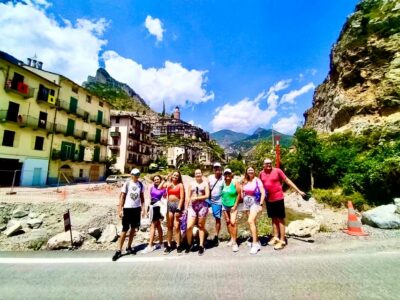
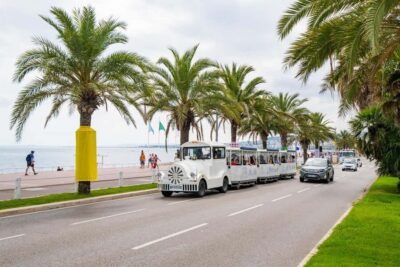
A gentle ride on a little electric train with a panoramic view
Read our review →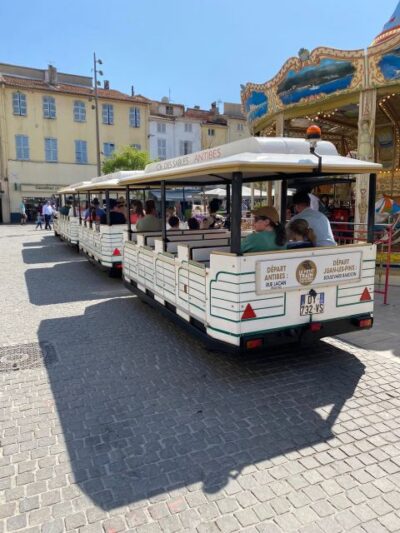
2-Way Little Train of Antibes Tour to Juan-les-Pins
Read our review →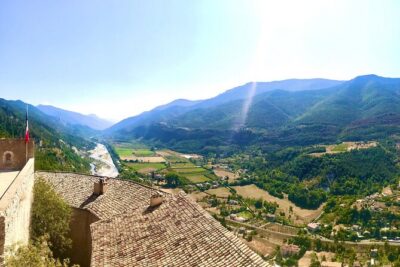
Tour with the Mountain Train, Trek to Mystic Forest and Castle
Read our review →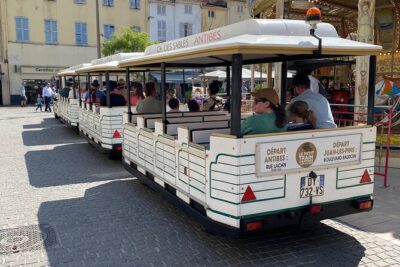
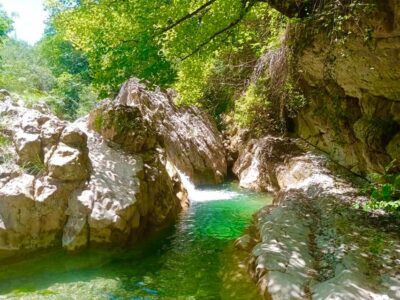
Mountain Train Experience: Hike & Mystic Forest (From Nice)
Read our review →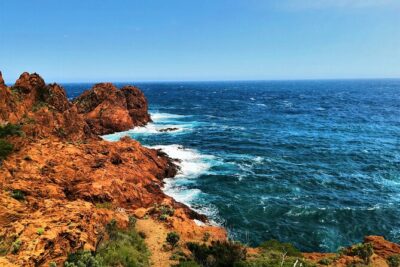
French Riviera Colorado & Var West by Train (from Cannes/Nice)
Read our review →Browse the lists this tour appears in